The Abington Township Roofing Permit
Abington Township requires a permit to install or replace roofing on any building, because the township removed the 2018 residential code exemption that lets some Pennsylvania municipalities skip roofing permits. We file the application through the township’s online system and schedule the job around its approval, so the permit is part of the plan rather than an afterthought.
Permits in Other Pennsylvania Townships
Pennsylvania’s Uniform Construction Code lets each municipality decide how it treats re-roofing, and the answers differ from one township line to the next. Some require a permit for any roof replacement, some only above a certain amount of work, and some exempt like-for-like reshingling. We check the current rule for your township before we price the job.
How a Full Tear-Off Runs
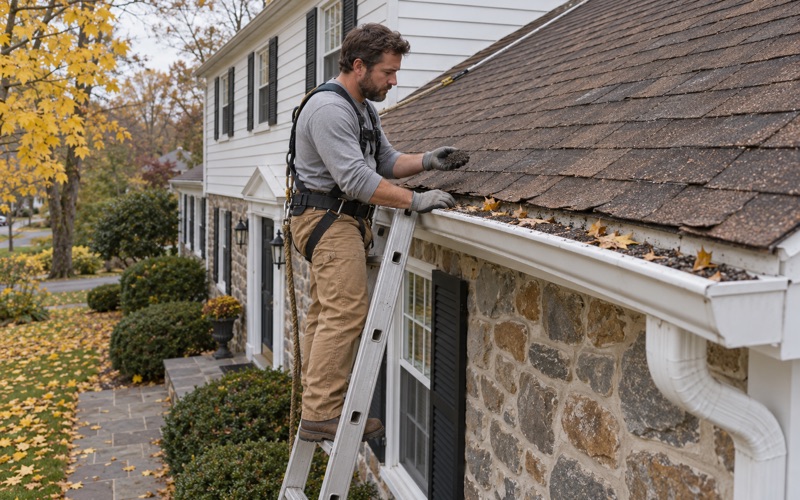
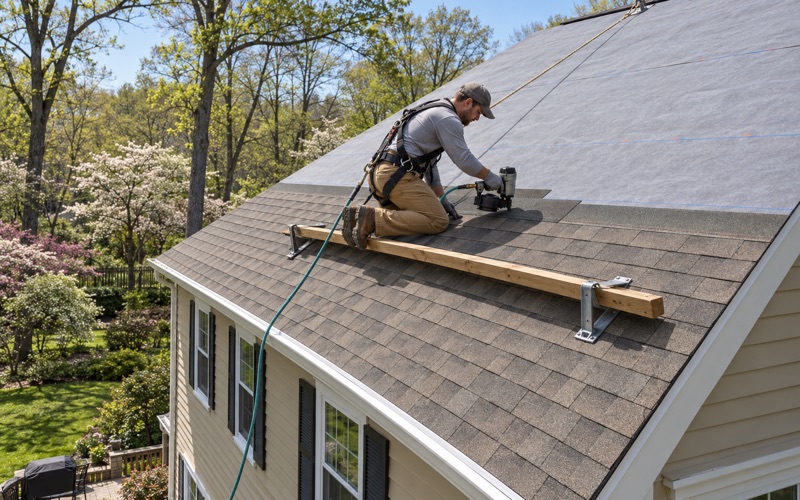
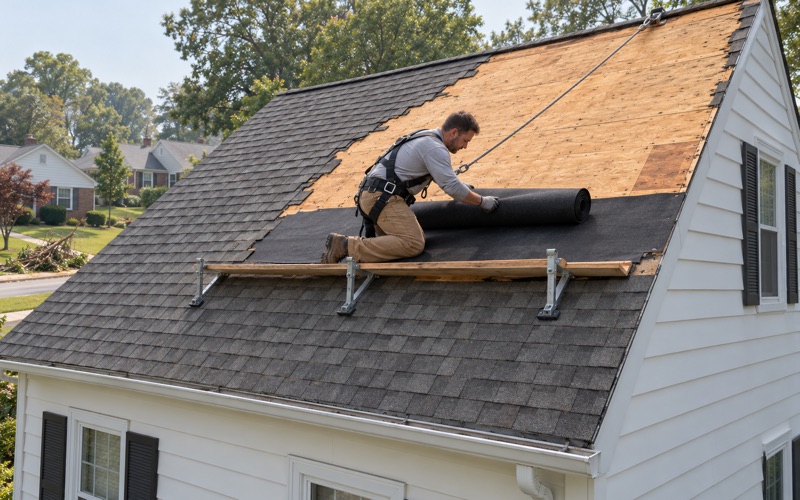
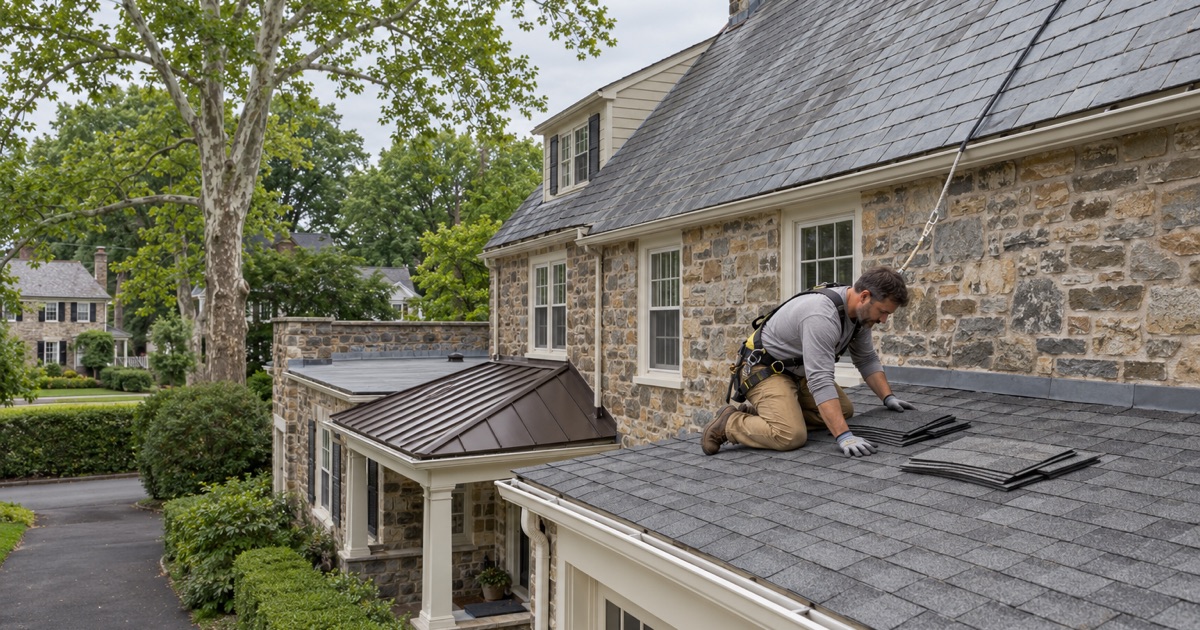
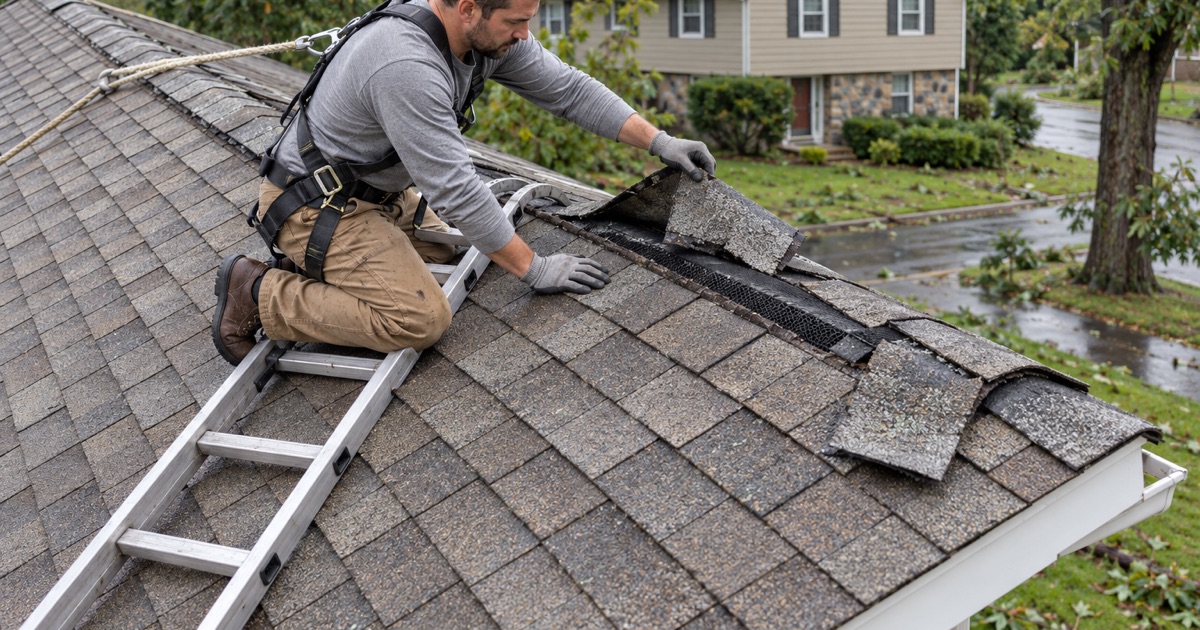
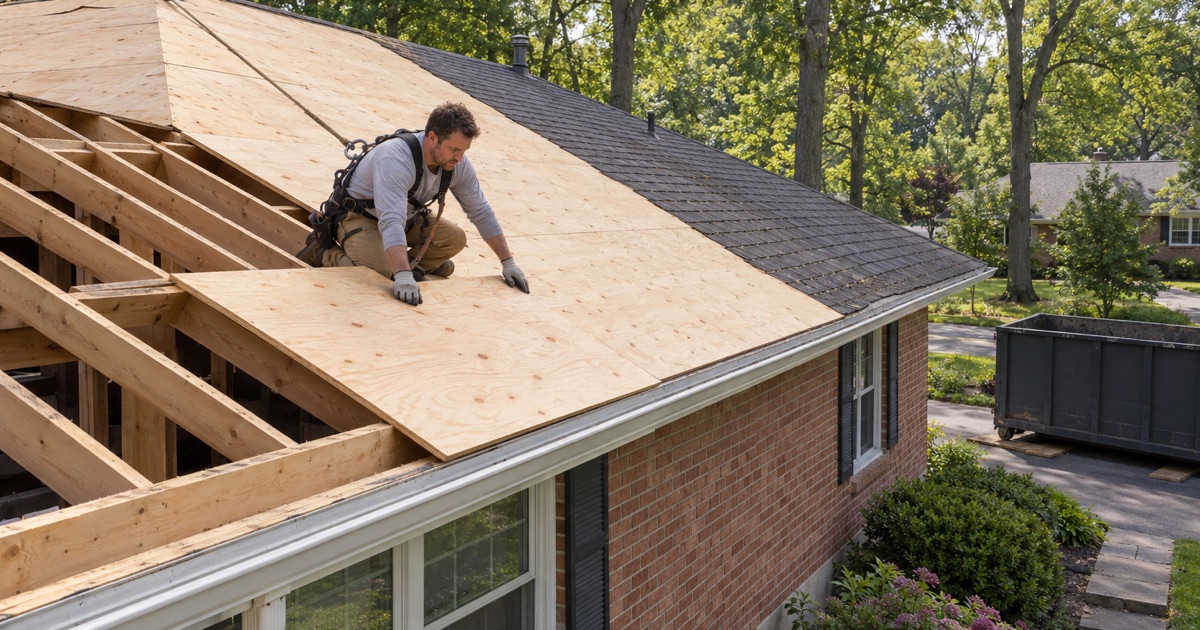
A tear-off starts with the dumpster in place and tarps over the plantings. The crew strips the old roof to the deck, replaces damaged sheathing, installs drip edge, ice barrier and synthetic underlayment, then flashing, shingles and ridge vent. The day ends with gutters cleared and a magnetic sweep of the driveway and yard for loose nails.
1950s Houses on Their Second or Third Roof
Many postwar houses around Abington are now on their second or third roof, and some still carry two layers of shingles. Building code allows no more than two layers, so a third roof means a full tear-off. We also check the original plank or plywood decking, which often needs attention after decades of shingle nails.
Prewar Glenside Homes with Steep Roofs and Dormers
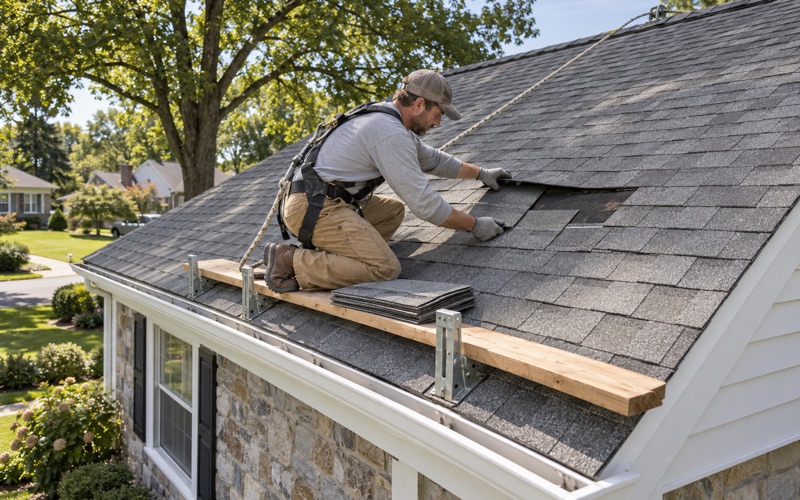
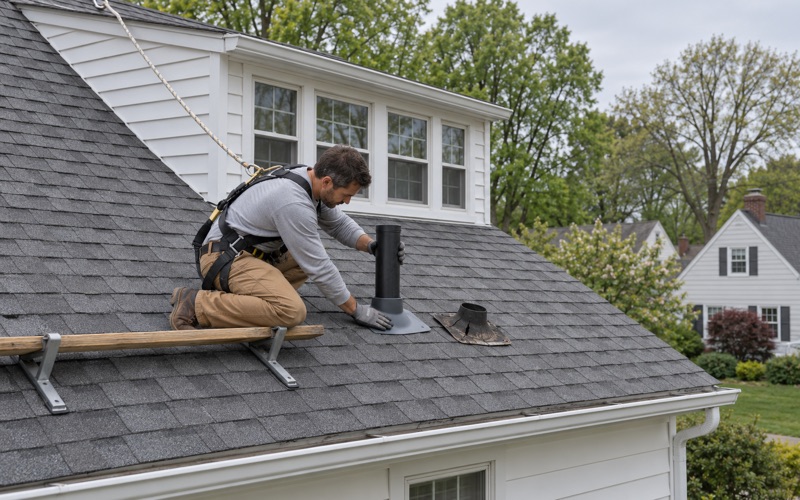
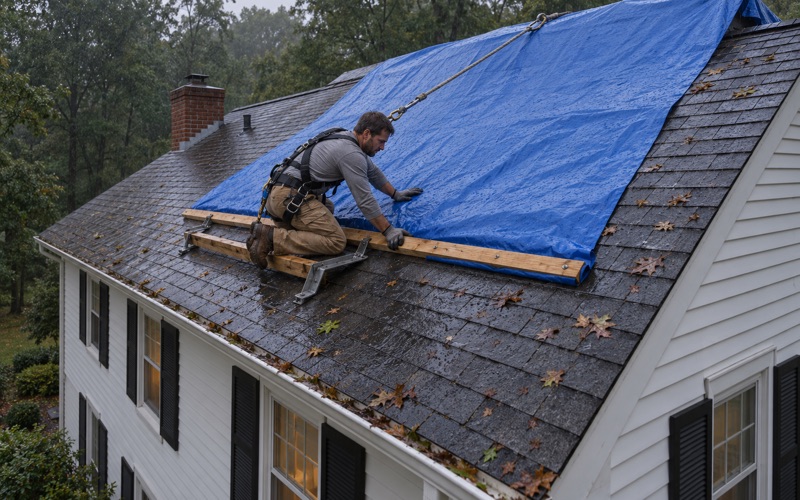
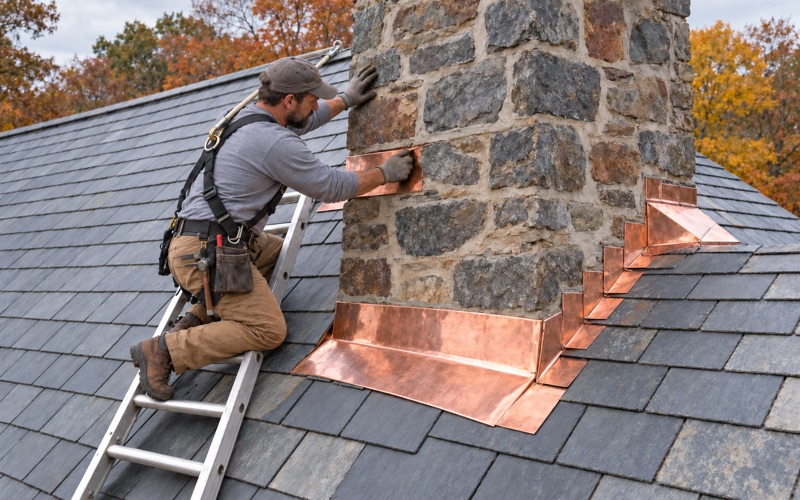
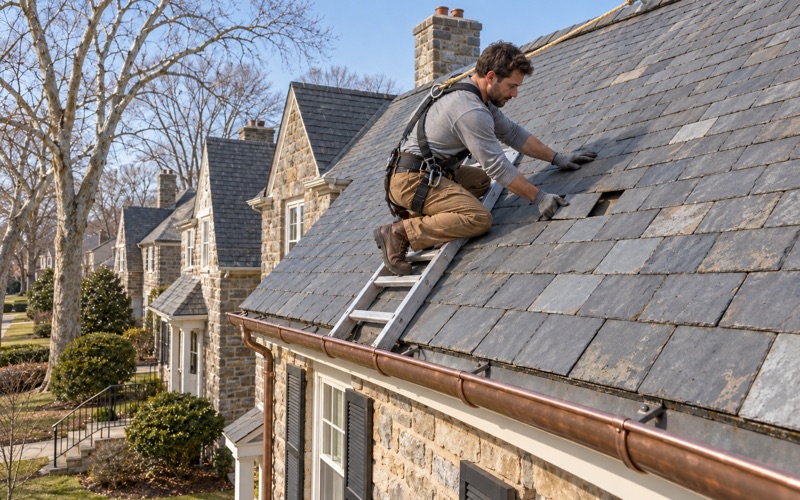
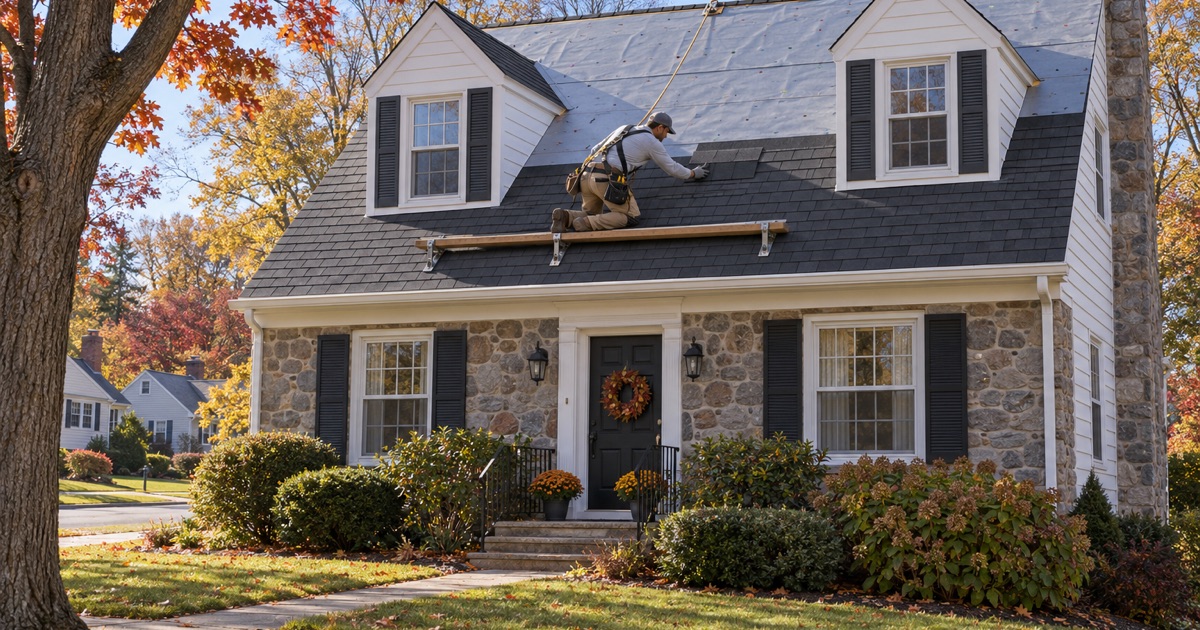
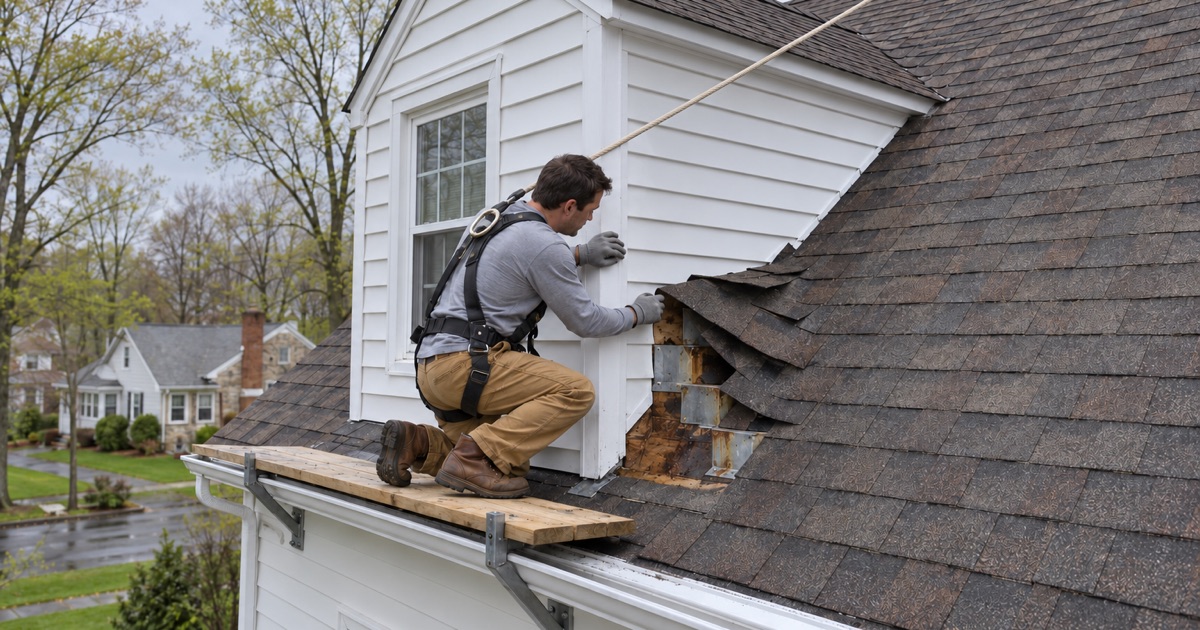
Older Glenside houses often have steep pitches, dormers, valleys and tall masonry chimneys, each a place where a careless re-roof leaks. We flash every dormer wall with new step flashing, rebuild chimney counter flashing, and set up proper roof staging and fall protection so the crew can work a steep slope carefully instead of rushing it.
Replacing One Side of a Twin Roof
On a twin, your half of the roof meets your neighbor’s along the party wall. We plan exactly where our work stops, how the new shingles tie into the old ones, and how the seam is flashed, so your new roof does not open a leak on either side of the wall or leave a visible mismatch that looks like a patch.
Choosing a Shingle Color for Stone, Brick and Siding
A shingle color that looks right on a sample board can clash with fieldstone, red brick or painted siding once it covers a whole roof. We bring full-size samples, look at them against your house in daylight, and point you to nearby roofs in the same color, so you see the real thing before committing.
Attic Ventilation with Soffit Intake and Ridge Exhaust
A roof breathes through intake at the soffits and exhaust at the ridge. We check that the soffit vents are open and balanced against the ridge vent’s net free area, so the attic stays drier in winter and cooler in summer, which protects the shingles and the decking and helps prevent the ice dams that start at a warm attic.
Replacing a Roof Under Solar Panels
When a roof under solar panels needs replacing, the panels have to come off first and go back on after. We coordinate the removal and reinstall with your solar installer and write those days into the schedule, so the roof is not left half-finished while the crew waits for someone to disconnect the array.
The Roof When You Sell a House
Pennsylvania’s seller property disclosure statement asks about the roof’s age and any leaks, and a buyer’s inspector will look closely at it. We give you a written roof inspection and, if work is needed, a permitted repair or replacement with paperwork, so the roof answers questions at the sale instead of raising them.